Table Of Contents:
- Navigating FHA Approval: A Guide to Mandatory Property Repairs
- Unpacking FHA Minimum Property Standards
- Understanding the Basics
- Key Areas of Concern for FHA Appraisals
- The Role of Safety, Security, and Soundness
- Navigating Common FHA Property Compliance Issues
- Electrical and Heating Systems Compliance
- Roof and Attic Requirements
- Water Heater Regulations
- Identifying Hazards and Nuisances
- Ensuring Proper Property Access
- Verifying Structural Soundness
- Tackling Repairs for FHA Approval
- Prioritizing Repairs for Swift Approval
- Finding Qualified Contractors for FHA Repairs
- Budgeting for Mandatory Repair Costs
- Financing FHA Required Repairs
- Exploring the FHA 203(k) Rehabilitation Loan
- Understanding Who Pays for What
- Estimating the Costs Involved
- The FHA Appraisal Process Decoded
- Preparing Your Property for FHA Appraisal
- What Appraisers Look for in FHA Loans
- How to Dispute an FHA Appraisal
- Achieving FHA Approval: A Step-by-Step Guide
- Checklist of FHA-required Repairs
- Navigating the Approval Process Effortlessly
- Closing the Deal: Final Steps After FHA Approval
- Conclusion
Navigating FHA Approval: A Guide to Mandatory Property Repairs
Securing FHA approval can be a critical milestone in the real estate process, especially for buyers and sellers of condominiums. As a real estate agent, understanding the mandatory property repairs required by the FHA is essential for ensuring a smooth transaction. From issues related to construction to termite inspections, navigating these regulations can feel overwhelming at times, but there are options available. In this article, I will guide you through the FHA minimum property standards, common compliance issues, and necessary repairs to facilitate approval. Together, we will decode the appraisal process and outline key steps to achieve FHA approval, ensuring you’re well-equipped to meet these requirements. Keep reading to uncover crucial insights that will enhance your readiness in securing FHA approval for your clients.
Unpacking FHA Minimum Property Standards
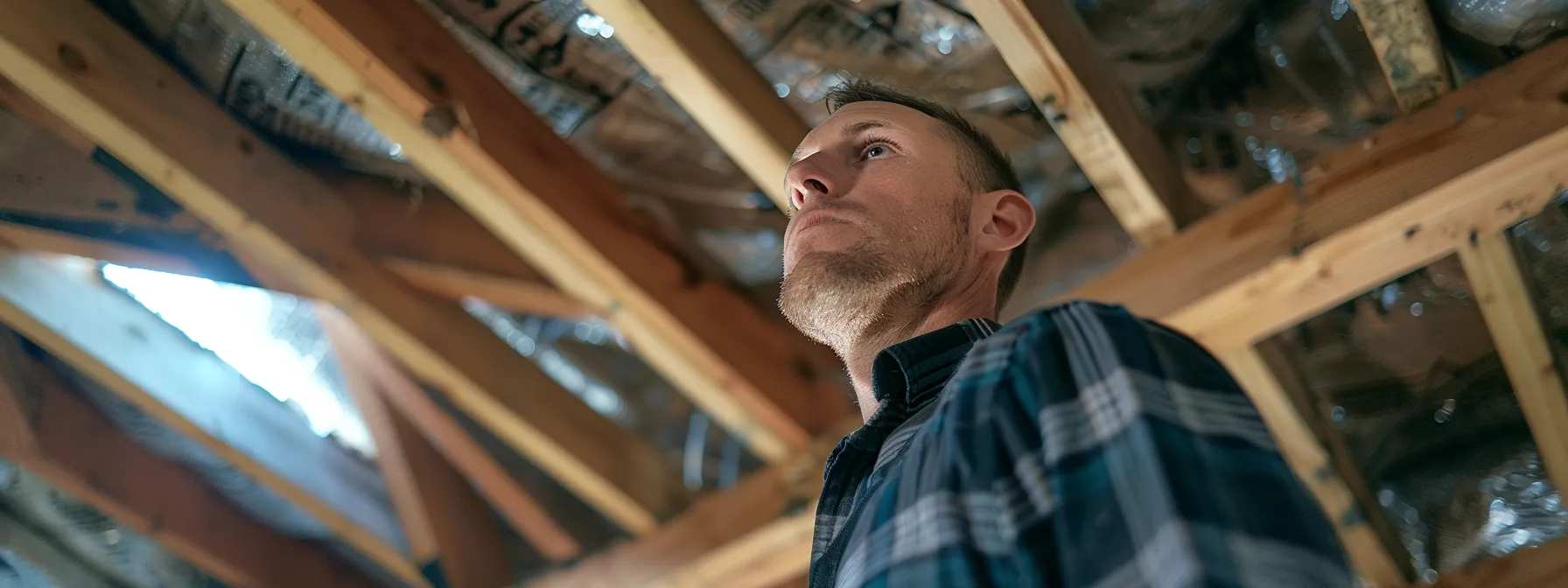
It’s essential to grasp the FHA minimum property standards, particularly when preparing for a loan application, such as a VA loan. Through my experiences, I’ve found that appraisers focus on several key areas during inspections, including the condition of wood elements, the stability of the soil around the property, and overall structural integrity. Understanding these basics allows condo associations and property managers to address potential concerns ahead of time, ensuring a smoother appraisal process that emphasizes the importance of safety, security, and soundness. This awareness is crucial for enhancing property marketability and securing necessary approvals.
Understanding the Basics
Understanding the FHA minimum property standards is vital for any condo association or property manager aiming for fha approval. When mortgage lenders assess a property, they look closely at the condition of the roof and the sewage system because these are essential aspects that can influence a buyer’s decision to make a down payment. Addressing these key areas not only ensures compliance with federal guidelines but also reinforces the property’s appeal in a competitive market.
The inspection process evaluates a property‘s overall structural integrity, which serves as collateral for the loan. If substantial repairs are needed, it may jeopardize the chances of obtaining approval. By proactively addressing repair needs, such as those related to the roof and sewage systems, we can streamline the process and increase the likelihood of securing favorable financing options for potential buyers.
Key Areas of Concern for FHA Appraisals
In my experience, understanding building codes is paramount for meeting FHA appraisal standards. Appraisers pay close attention to issues like the presence of petroleum products that could indicate environmental concerns. If a property is found to have real estate owned (REO) issues, it not only complicates the approval process but also raises significant alarms for potential buyers regarding compliance with FHA mortgage requirements.
I’ve learned that appraisers focus on the property‘s systems, including electrical and plumbing, to guarantee they comply with local building codes. A failure to meet these standards can result in delays or denials in the approval process. It’s beneficial for condo associations to conduct thorough inspections ahead of time, ensuring that appraisals are aligned with FHA expectations and can be quickly addressed through a web browser to consolidate findings and plans for repairs.
The Role of Safety, Security, and Soundness
The Federal Housing Administration places a strong emphasis on safety, security, and soundness when conducting property evaluations. A property must meet specific standards to ensure it is free from hazards such as lead paint or waste that could endanger residents. Not only does this compliance protect buyers, but it also bolsters the market value of the property, making it more attractive to potential buyers and lenders alike.
- Understanding FHA standards is essential for approval.
- Compliance ensures safety and enhances market value.
- Addressing hazards like lead paint and waste is crucial.
- Ongoing inspections can prevent foreclosure situations.
- Proactive maintenance reinforces community integrity.
Understanding the FHA Minimum Property Standards sets a strong foundation for successful compliance. Now, let’s tackle the common issues that often arise, ensuring your path to approval remains smooth and efficient.
Navigating Common FHA Property Compliance Issues

To effectively navigate the complexities of FHA approval, it’s vital to pinpoint the mandatory repairs that can impact compliance. I’ve seen firsthand how electrical and heating systems play a crucial role, as they must be fully operational and meet local codes. Roof and attic requirements also cannot be overlooked—these areas need to be free of leaks and adequately ventilated to sustain the property‘s integrity. Additionally, water heater regulations require attention; systems must be in good working order and properly secured. Identifying hazards and nuisances, such as excessive noise or safety violations, is another key aspect of the process. Ensuring proper property access is equally important—ramps or stairways should be well-maintained and navigable for all potential buyers. Finally, verifying structural soundness is non-negotiable. After all, an estate agent‘s role becomes significantly easier when foundational issues have been resolved, thereby enhancing the chances of closing a smooth contract. A thorough home inspection addressing these areas will ultimately pave the way for FHA compliance and a more marketable property.
Electrical and Heating Systems Compliance
During my work with FHA approvals, I’ve seen the paramount importance of ensuring electrical and heating systems meet compliance standards. Brokers and lenders scrutinize these systems during the underwriting process, with non-compliance potentially leading to costly delays. Furthermore, if any potential hazards such as asbestos are detected, they must be addressed promptly not only for the property‘s approval but also to ensure the safety of potential renters and buyers alike.
I’ve noticed that properties requiring significant updates to their electrical or heating systems can face challenges in securing cash financing options. Issues around outdated wiring or inefficient heating elements can stall transactions and deter interested parties. Focusing on these systems can lead to a smoother approval process, increasing the property‘s marketability and ensuring it meets the demands of today’s buyers and renters.
Roof and Attic Requirements
In my experience as a mortgage broker, I’ve seen how critical roof and attic conditions can be for property compliance during a real estate appraisal. A roof should not only be free of leaks but also retain its structural integrity to prevent future complications; addressing these aspects early can save property owners from defaults on mortgage applications. Conducting thorough research on best practices for roof maintenance can create a more favorable impression during the appraisal process.
Additionally, attics play a vital role in a property‘s overall energy efficiency and airflow. I’ve encountered situations where insufficient ventilation or insulation has led to complications in securing FHA approval. By ensuring that attics are properly equipped to handle moisture and temperature fluctuations, we can enhance the property‘s appeal, making it an inviting option for potential buyers and renters aiming for compliance with FHA standards.
Water Heater Regulations
In my experience working with FHA approvals, I have found that ensuring compliance with water heater regulations is essential for a smooth approval process. A functional water heater must not only meet local codes but also have proper ventilation to prevent issues related to hazardous waste. I often advise property managers to create a comprehensive checklist that includes inspections and maintenance schedules, looking out for any signs of wear that might contradict FHA standards.
Furthermore, I’ve seen how persistent non-compliance in water heater regulations can affect a buyer’s credit opportunities. If a property fails to meet these safety and efficiency requirements, it can pose financial risks for potential homeowners, especially those affected by student loan debts or other obligations. By prioritizing these aspects, we can significantly elevate the chances of securing FHA approval while enhancing the overall value of the property in the marketplace.
Identifying Hazards and Nuisances
In my journey through real estate investing, I’ve learned that identifying hazards and nuisances is vital for FHA compliance. When inspecting a property, one of the first areas I scrutinize is the attic, as it often reveals issues related to insulation and ventilation that can impact the overall integrity of the home. A well-maintained attic not only boosts buyer interest but can also reflect positively on a property’s appraisal, which is crucial for securing favorable financing options through lenders like Fannie Mae.
Additionally, I often emphasize the significance of addressing potential nuisances that may deter prospective buyers. Factors such as excessive noise or safety violations can influence a buyer’s perception and ultimately affect their credit score if they encounter financing challenges. By proactively identifying and mitigating these hazards before entering the market, we can enhance the property‘s attractiveness and streamline the approval process, paving the way for smoother transactions.
Ensuring Proper Property Access
Ensuring proper property access is critical to meet FHA requirements and alleviate potential risks during the appraisal process. I often emphasize the importance of well-maintained entrances, such as porches and stairways, which must be navigable and safe for all prospective buyers, including those with mobility challenges. Additionally, proper drainage should be in place to prevent water accumulation, which could lead to structural issues and complicate future refinancing efforts.
When property access is unclear or obstructed, it can impede the transaction, placing a property at risk of failing inspection and delaying the escrow process. I advise condo associations to routinely evaluate their access points and address any deficiencies to enhance buyer perception and facilitate smooth transactions. By taking these proactive measures, we can ensure that everything is in order for approval and appeal to potential buyers:
- Evaluate entrances and accessibility for all potential buyers.
- Ensure porches and stairways are well-maintained and safe.
- Implement effective drainage systems to prevent water damage.
- Address accessibility issues to exceed FHA compliance standards.
- Regular inspections promote prompt adjustments and strengthen marketability.
Verifying Structural Soundness
In my experience, verifying structural soundness is pivotal during the FHA approval process. This entails assessing critical areas like the foundation, floor structure, and conditions in the basement to ensure everything is intact. A sound structure prevents potential financing issues, particularly for options like reverse mortgages, as any deficiencies can cause delays in approval.
Additionally, I prioritize checking essential components such as the garage door, which can impact a property‘s overall safety and functionality. Understanding the terms of service related to repairs and inspections is vital, as it helps establish clear expectations and guidelines for maintaining the property’s integrity. Addressing these structural elements ensures smoother transactions and compliance with FHA standards:
- Assess the foundation and floor structure for integrity.
- Check the condition of the basement to address any concerns.
- Examine auxiliary structures like the garage door for functionality.
- Understand and adhere to terms of service for repairs and maintenance.
- Ensure all structural aspects meet FHA compliance requirements.
Addressing compliance issues is just the beginning. Now, let’s focus on the crucial repairs needed to secure FHA approval.
Tackling Repairs for FHA Approval
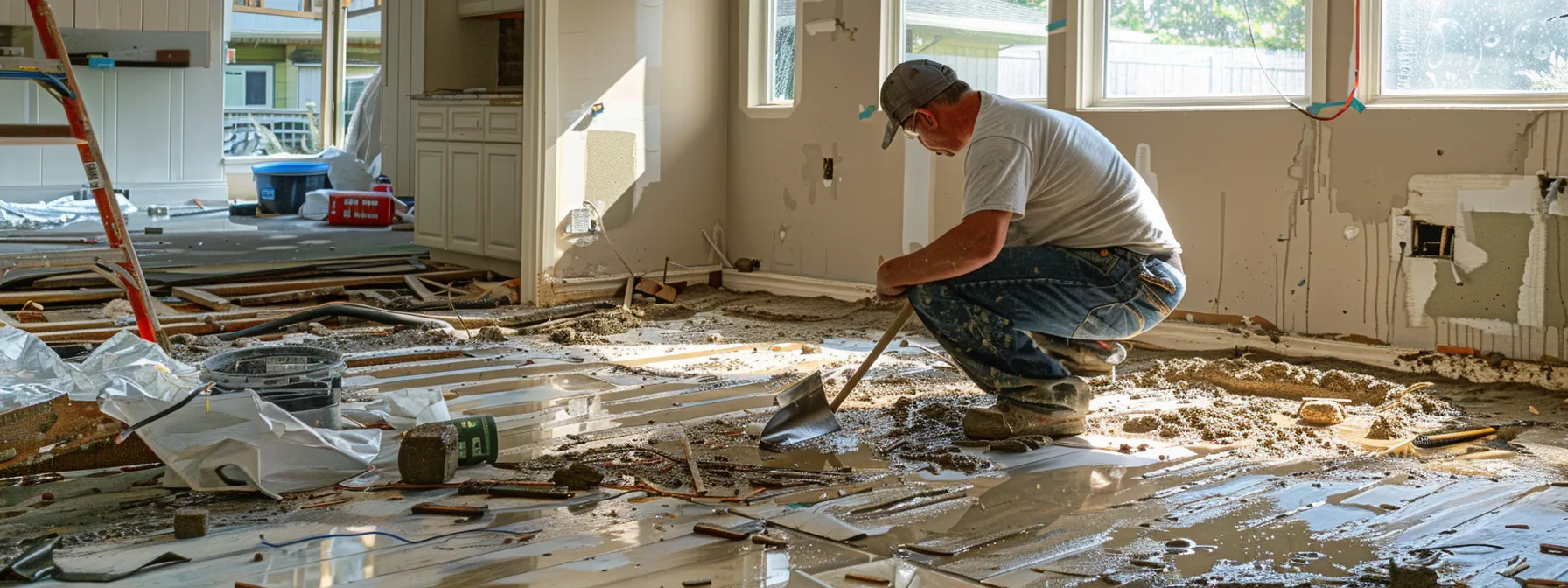
Addressing mandatory repairs effectively is vital for securing FHA approval on your condominium. Prioritizing repairs, such as fixing any issues related to water damage and ensuring that high voltage electrical systems meet code standards, will expedite the approval process. I’ve learned that finding qualified contractors not only helps guarantee that the work is performed to the necessary specifications but also safeguards your investment against potential future costs. Additionally, setting an accurate budget for these repairs is essential, allowing you to anticipate expenses and streamline the mortgage application process. With a clear strategy in place, we can significantly enhance the chances of obtaining the approvals needed to market the property effectively.
Prioritizing Repairs for Swift Approval
When preparing for FHA approval, I prioritize repairs based on their potential impact on the approval process. By focusing on critical issues such as safety hazards and essential systems like plumbing and electrical work, I ensure that the most pressing repairs are addressed first, ultimately expediting the FHA review.
I’ve found that communicating with contractors early in the process can streamline these repairs, allowing for timely completion within budget constraints. By setting clear expectations and timelines, we position the property to meet FHA standards efficiently, enhancing the likelihood of a swift approval.
Finding Qualified Contractors for FHA Repairs
When searching for qualified contractors for FHA repairs, I emphasize the importance of selecting professionals with a proven track record in compliance with FHA standards. It’s helpful to ask for references and review previous work to ensure they understand the specific regulations and quality expectations involved in FHA approvals. Building a solid relationship with reliable contractors can lead to smoother, more efficient repair processes.
I also recommend obtaining multiple estimates from different contractors to compare not just pricing but also their approach to the repair work. This allows me to gauge their expertise and commitment to quality, ultimately leading to informed decisions. By prioritizing the selection of competent contractors, I can ensure that our repair efforts align with the necessary FHA guidelines and move us closer to approval:
- Assess contractor qualifications and references.
- Request detailed estimates from multiple sources.
- Evaluate their familiarity with FHA requirements.
- Establish a solid working relationship for ongoing projects.
- Ensure quality workmanship to maintain property integrity.
Budgeting for Mandatory Repair Costs
Budgeting for mandatory repair costs is a critical step in the FHA approval process. From my experience, accurately estimating these expenses not only helps avoid unexpected financial strains but also streamlines the entire approval process. I recommend breaking down the necessary repairs into specific categories, allowing for better clarity on what needs immediate attention versus what can be tackled later.
I’ve found that setting aside a contingency fund is also wise, as this prepares us for any unforeseen issues that may arise during repairs. By taking a proactive approach to budgeting, we mitigate risks and position the property for a smoother appraisal experience, ultimately enhancing our prospects for FHA approval. This careful financial planning reinforces our commitment to maintaining the property and aligns with FHA standards effectively.
Successfully managing repairs sets the stage for the crucial financial aspects of FHA compliance. Let’s dive into the options available for financing those required repairs, ensuring your property meets the standards needed for approval.
Financing FHA Required Repairs
In my experience, effectively financing mandatory repairs for FHA approval is crucial for ensuring properties meet necessary standards. One option worth considering is the FHA 203(k) Rehabilitation Loan, which allows buyers to incorporate repair costs into their mortgage. Understanding who is responsible for covering various expenses helps clarify the financing process and can streamline decision-making. I’ve also learned that accurately estimating the costs involved is imperative to prevent unexpected financial burdens. By delving into these aspects, we can create a solid financial strategy that aligns with the FHA’s requirements and enhances the property’s appeal for potential buyers.
Exploring the FHA 203(k) Rehabilitation Loan
The FHA 203(k) Rehabilitation Loan presents an excellent opportunity for buyers looking to combine the costs of home purchase and necessary repairs into a single mortgage. I’ve assisted numerous clients using this option, which allows them to address mandatory repairs seamlessly while capitalizing on favorable financing terms. By integrating repair costs into the overall mortgage, it simplifies the process and alleviates the need for separate funding sources.
Through my experiences, I’ve found that the FHA 203(k) loan is particularly beneficial for properties that require significant updates, enhancing both safety and appeal. This financial tool supports homeowners in meeting FHA standards without facing immediate out-of-pocket expenses for repairs, which can be especially daunting. Embracing this option empowers buyers to transform a property into a desirable home while ensuring compliance with FHA guidelines.
Understanding Who Pays for What
In my experience, understanding the financial responsibilities associated with mandatory property repairs is essential for condo associations and property managers. Typically, the owner is responsible for repairs that enhance property value and ensure compliance with FHA standards. However, in certain circumstances, such as when repairs are mandated by FHA regulations, property managers may find that the costs can be shared or negotiated with the management company or the owners’ association.
It’s crucial to have transparent communication regarding who is accountable for covering repair expenses. From my perspective, establishing a clear agreement at the outset can mitigate misunderstandings later in the process. Ensuring that all parties understand their financial obligations not only fosters cooperation but also aids in maintaining the property’s integrity and achieving FHA approval more efficiently.
Estimating the Costs Involved
Estimating the costs involved in mandatory repairs requires a detail-oriented approach to ensure all necessary expenses are accounted for. I often advise property managers and associations to conduct thorough assessments with qualified contractors who can provide accurate estimates based on the specific repair requirements. This initial step is vital for preparing a realistic budget that aligns with FHA guidelines.
To facilitate a smooth financing process, I recommend organizing costs into categories that allow for prioritization. By breaking down repairs into urgent and non-urgent items, we can clarify which expenses should be addressed immediately and which can wait. This method not only streamlines budgeting but also aids in securing necessary approvals more efficiently, setting the foundation for effective property management moving forward:
- Conduct detailed assessments with qualified contractors.
- Prepare a realistic budget that aligns with FHA guidelines.
- Organize costs into urgent and non-urgent categories.
- Facilitate a smoother financing process through clarity.
- Enhance property management efficiency with structured planning.
After securing the necessary financing for FHA-required repairs, the next critical step is navigating the intricate FHA appraisal process. This process not only assesses the property‘s value but also ensures it meets stringent guidelines, setting the stage for successful financing.
The FHA Appraisal Process Decoded
Understanding the FHA appraisal process is fundamental for anyone involved in securing FHA loans. Preparing your property effectively can make a significant difference in how appraisers evaluate your home. I’ve noticed that they focus on various crucial aspects, particularly the overall condition and operational functionality of essential systems. Recognizing what appraisers are looking for helps homeowners know where to direct their attention for repairs and improvements. Furthermore, if you encounter an unfavorable appraisal outcome, being equipped with the knowledge of how to dispute it can provide leverage in addressing appraisal discrepancies. With a proactive approach and awareness of these elements, we can navigate the complexity of the FHA approval process with confidence.
Preparing Your Property for FHA Appraisal
Preparing your property for an FHA appraisal requires a strategic approach to ensure it meets the necessary standards. As I have seen in my practice, it’s crucial to conduct a detailed walkthrough, identifying areas that need attention. Making repairs ahead of time can promote a favorable impression, paving the way for a smoother appraisal process.
I recommend developing a checklist that focuses on both visible and functional aspects of the property. Attention to details such as cleanliness, landscaping, and the overall first impression can influence appraisers’ assessments significantly:
- Evaluate the property’s curb appeal and landscaping.
- Ensure all essential systems are operational.
- Address visible maintenance issues such as painting and repairs.
- Double-check access points for safety and compliance.
- Conduct a final walkthrough to ensure readiness.
What Appraisers Look for in FHA Loans
When appraisers assess properties for FHA loans, they focus on various critical factors that reflect the home’s overall integrity and marketability. I have observed that they pay particular attention to the condition of essential systems such as plumbing, electrical, and HVAC, as these must operate efficiently and comply with safety standards. Their evaluation also extends to the property‘s environment, verifying that there are no health or safety hazards present, which can significantly impact the loan approval process.
Moreover, appraisers consider the property’s adherence to local zoning and building codes, ensuring that any renovations or structures are compliant. From my experience, these professionals meticulously examine aspects that might not necessarily be visible at first glance, including foundational integrity and roof condition. Understanding what appraisers prioritize during their evaluation can empower property owners and managers to make informed decisions that enhance their chances of meeting FHA requirements.
How to Dispute an FHA Appraisal
When faced with an unfavorable FHA appraisal, I find that the first step is to carefully review the appraisal report for inaccuracies or discrepancies. Gathering additional documentation, such as comparable sales data or evidence of property improvements, can help substantiate your case. Presenting this information clearly and confidently in a formal dispute letter reinforces the argument that the appraisal may not accurately reflect the property‘s true market value.
Engaging with the lender or appraisal management company is crucial in the dispute process. I advocate for initiating an open line of communication, where I explain my concerns and provide the supporting documentation collected. This proactive approach often leads to a reconsideration of the value or a request for a second appraisal, which can ultimately align with a more accurate assessment of the property’s worth.
Now that we’ve unraveled the intricacies of the FHA appraisal process, it’s time to turn our attention to the key steps for securing FHA approval. Let’s dive into this comprehensive guide designed to streamline your journey toward compliance and success.
Achieving FHA Approval: A Step-by-Step Guide

As we move forward in the FHA approval journey, it’s important to have a clear understanding of the mandatory repairs that need attention. I’ve found that creating a detailed checklist of these required repairs forms the foundation for a successful approval process. By systematically addressing these areas, we can navigate the complexities of the approval efficiently. Once the necessary repairs are completed, we’ll discuss the final steps required to close the deal, ensuring that we are fully prepared to proceed with confidence. With thorough preparation and a focus on compliance, we can significantly enhance the likelihood of achieving FHA approval.
Checklist of FHA-required Repairs
Creating a comprehensive checklist for FHA-required repairs is essential for achieving timely approvals. By focusing on critical areas such as electrical systems, plumbing, and roof conditions, we can prioritize our efforts and ensure nothing is overlooked. A well-organized checklist helps streamline communication with contractors and keeps the repair process on track.
As we prepare our checklist, I recommend including specific items that meet FHA standards to guide our maintenance objectives. By categorizing repairs according to urgency, we can efficiently allocate resources and budget accordingly. Here’s a structured overview of the essential repairs that warrant attention:
- Address safety hazards (e.g., lead paint, mold).
- Ensure electrical systems are compliant and operational.
- Repair plumbing leaks and ensure proper drainage.
- Fix any roof leaks and verify structural integrity.
- Check heating and air conditioning systems for functionality.
Navigating the Approval Process Effortlessly
Navigating the FHA approval process requires strategic preparation and proactive engagement. I focus on developing a clear timeline that outlines each step in the repair and approval journey, ensuring that every critical aspect gets the necessary attention in due time. By setting measurable milestones, I maintain accountability and progress, which ultimately leads to a smoother approval experience.
Communication plays a key role in this process, especially when working with contractors and relevant stakeholders. I prioritize open dialogue to ensure everyone is on the same page regarding timelines and expectations, which significantly reduces the likelihood of delays. This collaborative approach allows us to address potential issues promptly, keeping the approval process moving smoothly towards completion.
Closing the Deal: Final Steps After FHA Approval
Once we secure FHA approval, the focus shifts to finalizing the transaction. I recommend prioritizing communication with all parties involved, such as lenders, agents, and buyers, to ensure a seamless transition towards closing. This collaborative effort often highlights any lingering concerns and allows us to resolve issues efficiently before it’s too late.
As we approach the closing date, I find it beneficial to conduct a final walkthrough of the property. This step ensures that all required repairs have been completed and provides an opportunity to address any last-minute details. By thoroughly reviewing everything one last time, we can pave the way for a successful closing and foster trust among all stakeholders.
Conclusion
Navigating FHA approval involves understanding and addressing mandatory property repairs that can directly impact loan eligibility. By prioritizing essential repairs, such as electrical systems and roof conditions, property managers can streamline the approval process and enhance marketability. Engaging qualified contractors and maintaining clear communication fosters efficiency and compliance with FHA guidelines. Ultimately, a proactive approach to property maintenance not only secures approvals but also preserves the integrity and value of the property.