Are you aware that nearly 30% of condo inspections reveal significant compliance issues? These problems can hinder financing and affect property values. In this post, I will outline common compliance issues in condo inspections, highlight the role of the condominium association, and discuss the documentation necessary for compliance. By understanding these aspects, you can prevent costly consequences and enhance your property‘s marketability. This article aims to help you navigate the complexities of condo inspections, ensuring your association meets all regulatory requirements effectively.
Identifying Common Compliance Issues in Condo Inspections

Building code violations, fire safety regulations, accessibility standards, and compliance with electrical and plumbing requirements are all critical aspects of condominium inspections. As I assess these issues, I consider the fiduciary responsibilities and relevant legislation that affect insurance policies. Each section will provide insights into the condominium definition and the importance of conducting thorough audits to ensure compliance and enhance property value.
Building Code Violations
Building code violations are a significant concern during condo inspections, as they can jeopardize safety and compliance. In my experience, I often encounter issues that stem from outdated practices or improper alterations made without consultation from the homeowner association. Addressing these violations requires proactive negotiation and potential arbitration, particularly when balancing equity among unit owners while ensuring that necessary corrections align with current regulations.
Fire Safety Regulations
Fire safety regulations are critical to ensure the well-being of residents in condominiums and the overall governance of the property. From my experience, I have found that many units overlook essential fire safety measures, such as functioning smoke detectors and proper escape routes. Understanding the law pertaining to fire safety not only protects residents but also prevents potential liens and financial liabilities for the homeowner association. By prioritizing compliance in fire safety through effective condo approval services, we enhance not just safety but also the value of the property.
Accessibility Standards
During my assessments, I often encounter compliance issues related to accessibility standards in condominiums, particularly in densely populated areas like New York City. Ensuring that properties meet these regulations is vital for protecting the rights of residents and fulfilling contractual obligations. By performing due diligence and implementing robust accounting practices, homeowner associations can identify potential shortcomings and make necessary adjustments, thus mitigating risks and enhancing property marketability.
Electrical and Plumbing Compliance
During condo inspections, I often encounter issues related to electrical and plumbing compliance that can significantly impact market value. Properties that fail to meet code standards may face complications in escrow, potentially delaying mortgage approvals and creating financial strain for owners. For example, even minor plumbing inadequacies can lead to flood risks, posing financial and safety concerns for residents. Addressing these compliance challenges proactively not only protects residents but also enhances the overall viability of the property in the marketplace.
With compliance issues often lurking, regular inspections become a necessary shield. They not only reveal hidden problems but also protect the investment you’ve built with care.
The Importance of Regular Inspections

Regular inspections are essential for adhering to local regulations set forth by the Florida Department of Business and Professional Regulation. They ensure resident safety and help maintain property value over time. By staying vigilant about compliance issues, condo associations can mitigate expenses and risks related to inspections, including those mandated by Freddie Mac, within their jurisdiction.
Keeping Up With Local Regulations
Keeping up with local regulations is crucial for condo associations, especially in Florida, where the Florida Department sets strict guidelines for regulatory compliance. I often advise cooperative entities to regularly review their insurance requirements to ensure they align with the latest local mandates. By proactively addressing these regulations, condo approval professionals can help associations avoid potential penalties and enhance overall property values.
Ensuring Resident Safety
Ensuring resident safety is a top priority during condo inspections, as various hazards can threaten property and well-being. For instance, compliance with specific statutes related to fire alarms and emergency exits is essential to minimize risks. My approach often includes recommending regular safety audits, which help homeowner associations address potential vulnerabilities and establish a framework for effective estate planning that protects both the residents and the property‘s value. In cases where disputes arise, mediation can serve as a valuable tool to resolve compliance issues and reinforce safety standards effectively.
Maintaining Property Value
Maintaining property value in condominiums hinges on consistent inspections and a commitment to transparency among ownership. When I assess compliance with local regulations and industry standards, I find that proactive emergency management plays a crucial role in safeguarding assets against potential creditor claims. By addressing compliance issues promptly and efficiently, homeowner associations can not only enhance the safety of residents but also preserve and potentially increase the overall market appeal of the property.
Inspections reveal the truth hidden beneath the surface, but the real work lies in what comes next. Understanding the documentation needed for compliance ensures you can act decisively and protect your community.
Documentation Required for Compliance
Documentation is vital for ensuring compliance within condo inspections, particularly concerning inspection reports, maintenance records, and relevant permits and certifications. These documents help condo associations meet their obligations under condo association laws and protect owners from potential risks. By keeping meticulous records, associations can manage fees effectively and enhance overall safety and property value.
Inspection Reports
Inspection reports are essential documentation in the compliance process, detailing the findings related to building codes, safety standards, and environmental risks such as flood insurance. In my experience, maintaining thorough inspection reports not only helps condo associations meet legal requirements but also aids in gathering a quorum for decision-making processes. If you have any questions or need clarification on these reports, feel free to contact us for expert guidance on aligning with Fannie Mae and other regulatory expectations.
Maintenance Records
Maintenance records play a crucial role in ensuring compliance during condo inspections. They provide a detailed history of the property, highlighting any repairs and ongoing maintenance efforts that can prevent disputes, such as potential conflicts of interest related to lease agreements. In my practice, I’ve seen that having transparent maintenance records not only fosters efficient dispute resolution but also alleviates concerns that may arise in scenarios involving leasing or timeshare arrangements, ultimately strengthening resident trust in the homeowner association‘s management.
Permits and Certifications
Permits and certifications are essential in the condo inspection process, particularly concerning compliance with safety standards and regulatory requirements. For instance, verifying that the roof structure has the proper approvals from the Federal Emergency Management Agency ensures that our properties meet safety thresholds and are protected from potential liabilities. In my experience, consulting a lawyer experienced in condo law can guide organizations through the intricacies of maintaining proper documentation, thus safeguarding their interests and enhancing property compliance.
Compliance relies on solid documentation, but the strength of that foundation rests with the condominium association. Their role is not just administrative; it shapes the path to securing approvals and enhancing community value.
Role of the Condominium Association
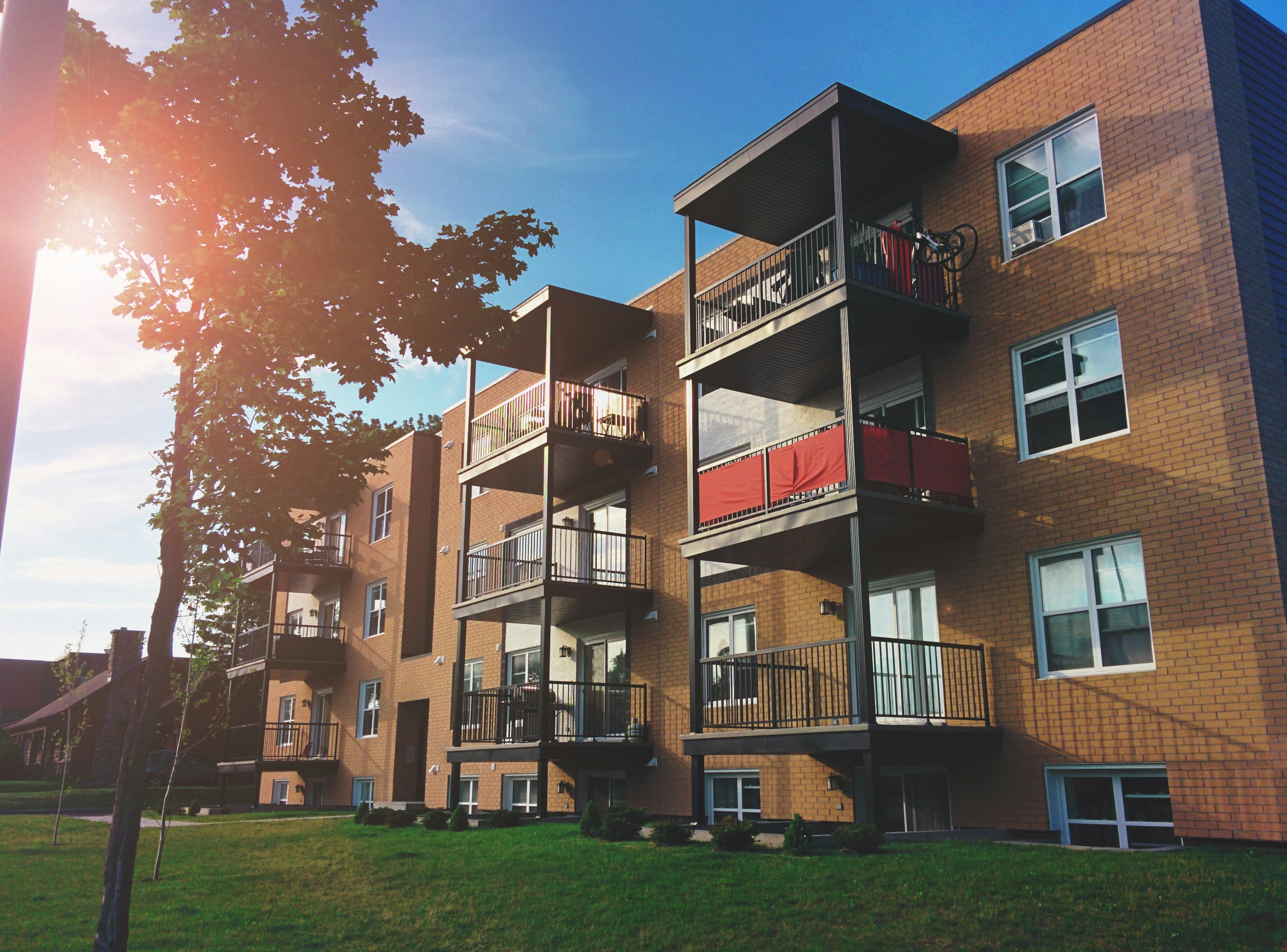
The condominium association plays a vital role in oversight responsibilities, ensuring compliance with regulations and safeguarding property values. Effective communication with owners is essential for transparency during inspections and addressing potential non-compliance issues. By implementing conflict resolution strategies, the board of directors can navigate disputes and avoid lawsuits, thereby reinforcing trust among residents while upholding the standards of the community.
Oversight Responsibilities
The oversight responsibilities of the condominium association are essential for maintaining compliance during inspections. In my experience, this involves regularly reviewing property management practices and ensuring all safety standards are met. By keeping open lines of communication with residents, the association can swiftly address compliance issues, fostering a community atmosphere that prioritizes both safety and property value.
Communication With Owners
Effective communication with owners is essential for a condominium association, especially when addressing compliance issues during inspections. In my experience, regular updates and open forums encourage transparency and allow residents to express concerns regarding safety standards and property maintenance. By fostering an environment where homeowners feel heard, associations can quickly resolve compliance matters and enhance overall community trust and property value.
Handling Non-Compliance Issues
Handling non-compliance issues is a critical responsibility of the condominium association, as it directly impacts safety and property value. I have often seen associations successfully manage these situations by implementing clear protocols for addressing violations, assessing the concerns raised, and facilitating open dialogue with residents. Proactively engaging in these discussions not only resolves issues swiftly but also reinforces a culture of accountability and trust within the community, ensuring that safety standards and compliance requirements are consistently met.
The condominium association stands as a guardian of shared living. Yet, when rules are ignored, the fabric of community frays, leading to serious repercussions.
Consequences of Non-Compliance

Violations of compliance can lead to significant fines and penalties, which directly impact the financial stability of condo associations. Legal actions against associations may arise, exposing them to costly litigation. Additionally, non-compliance can affect property insurance coverage, creating potential liabilities for owners. Each of these factors highlights the importance of addressing compliance issues promptly and effectively.
Fines and Penalties
Failure to comply with regulations during condo inspections can result in substantial fines and penalties that financially strain condominium associations. In my experience, these costs often arise when properties are not aligned with safety standards, leading to legal repercussions that can disrupt management operations. By addressing potential compliance issues proactively, associations can avoid unnecessary financial burdens and focus on enhancing property value.
Legal Actions Against Associations
Legal actions against condominium associations can arise from various compliance failures, significantly impacting their operational capacity and financial health. In my experience, disputes often escalate when residents feel that their safety concerns related to building codes or fire safety regulations are not adequately addressed. By prioritizing compliance and fostering open communication with residents, associations can minimize the risk of legal challenges and protect their interests effectively.
Impact on Property Insurance
Non-compliance with safety regulations can have a substantial impact on property insurance for condominium associations. From my experience, insurance providers may increase premiums or even deny coverage if properties fail to meet mandated standards, such as fire safety or building codes. This not only puts financial strain on the association but can also decrease the overall marketability of the property, making it essential for associations to prioritize compliance to safeguard both their residents and their financial interests.
Non-compliance carries significant risks that can affect everyone involved. It is essential to understand effective strategies that can help ensure compliance and protect the interests of all parties.
Strategies for Ensuring Compliance
To ensure compliance in condo inspections, I advocate for three key strategies: providing regular training for board members, hiring qualified inspectors, and establishing clear maintenance protocols. Regular training equips board members with the knowledge to navigate complex regulations, while qualified inspectors bring expertise in identifying compliance issues. Clear maintenance protocols help streamline communication and ensure timely responses to potential concerns, ultimately enhancing the safety and value of the property.
Regular Training for Board Members
Regular training for board members is a vital component in ensuring compliance during condo inspections. I have seen firsthand how equipping board members with updated knowledge on regulations and safety standards can significantly mitigate compliance issues. For instance, workshops on fire safety and accessibility regulations can empower them to identify potential hazards and enhance community safety, ultimately supporting the overall value of the property.
Hiring Qualified Inspectors
Hiring qualified inspectors is a crucial strategy for ensuring compliance during condo inspections. In my experience, these professionals bring in-depth knowledge of local building codes and safety regulations, helping to identify potential compliance issues that could otherwise go unnoticed. By selecting inspectors with a solid reputation and relevant credentials, condo associations can significantly enhance their chances of passing inspections and maintaining property value while ensuring resident safety.
Establishing Clear Maintenance Protocols
Establishing clear maintenance protocols is essential for condo associations to effectively manage compliance during inspections. In my experience, having well-defined procedures in place ensures that routine maintenance tasks are completed timely, reducing the risk of violations related to safety standards and building codes. For example, implementing a schedule for regular inspections of fire safety equipment not only enhances resident safety but also helps maintain the property‘s value, ultimately protecting the interests of all owners.
Conclusion
Addressing common compliance issues in condo inspections safeguards the safety and well-being of residents while enhancing property value. By proactively managing building code violations, fire safety regulations, accessibility standards, and electrical and plumbing compliance, condo associations can prevent costly legal repercussions and maintain marketability. Regular inspections and thorough documentation are crucial in mitigating risks and ensuring adherence to local regulations. Ultimately, prioritizing these compliance measures fosters a secure living environment and instills confidence among owners, reinforcing the overall integrity of the community.