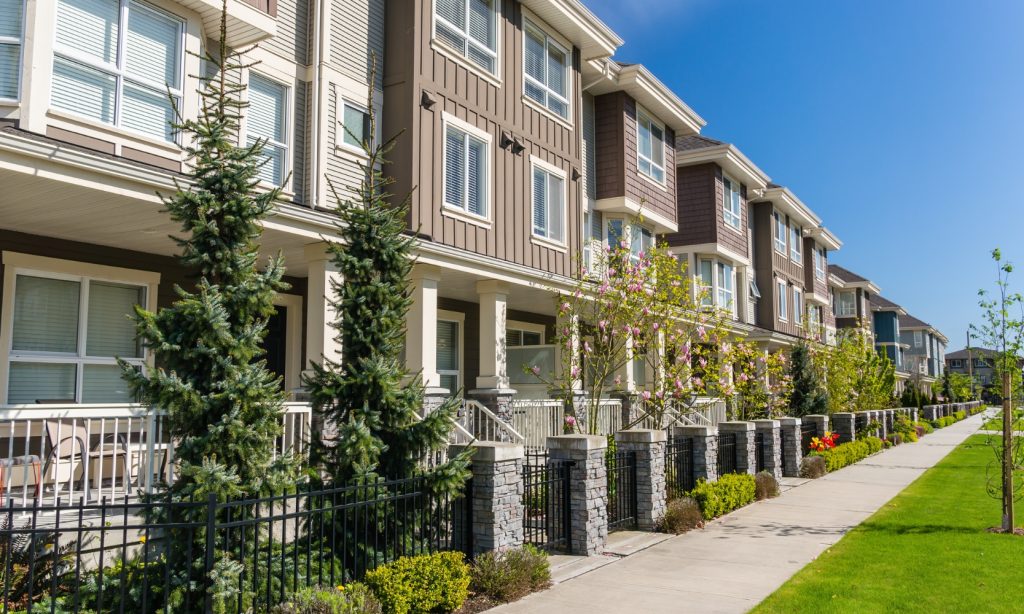
Purchasing a condominium involves more than simply selecting a unit and applying for a mortgage. Unlike single-family homes, condos are part of a shared development governed by a homeowners association (HOA), which controls everything from the building’s finances to its insurance policies and legal responsibilities. That added complexity introduces a critical step in the mortgage approval process: the conventional condo project review.
A conventional condo project review is a risk assessment that determines whether a condo building meets eligibility guidelines for traditional financing from Fannie Mae or Freddie Mac. This review is not optional for most transactions involving condominiums and can significantly influence whether a buyer gets approved for a loan—and on what terms.
Many buyers and sellers are caught off guard when a lender flags the property as non-warrantable or requires additional documentation. Understanding how this process works, who it affects, and why it matters is essential for anyone involved in condo transactions, from buyers and sellers to agents and HOA boards.
Defining the Conventional Condo Project Review
The conventional condo review is a detailed analysis that goes far beyond the individual condo unit. Lenders need to understand the financial health, structural integrity, insurance coverage, and legal status of the entire condominium development. The review ensures the building meets the standards required by Fannie Mae or Freddie Mac for a conforming loan.
When a condominium project passes this review, it’s considered “warrantable.” That means it qualifies for conventional mortgage financing. If the building doesn’t meet the necessary criteria, it is labeled “non-warrantable,” meaning the buyer will need to explore more limited and often more expensive financing options, such as portfolio loans or private lenders.
Why the Review Exists and Who It Affects
At its core, the condo project review exists to protect lenders from risk. A condo building that’s poorly managed, underfunded, or involved in legal disputes can jeopardize the long-term value of the property—and, by extension, the lender’s investment. That’s why lenders look at the overall condition and operation of the entire community, not just the unit under contract.
Buyers, especially first-time homebuyers, may be surprised to learn that even if they’re financially qualified, their loan can still be denied because the building doesn’t meet underwriting standards. For sellers, this can limit the pool of potential buyers. Real estate agents, mortgage brokers, and even condo board members need to understand this process to protect their deals and maintain the value of their communities.
Key Components Evaluated in the Review
While specific guidelines may vary slightly between Fannie Mae and Freddie Mac, most conventional condo project reviews focus on a similar set of criteria that help lenders evaluate overall project risk. These include:
Owner Occupancy Rate
Lenders typically want to see that at least 50% of units in the project are owner-occupied. A higher number of investor-owned or rented units is seen as riskier for the lender.
Delinquency Rates
Lenders assess how many unit owners are behind on their HOA dues. If more than 15% of homeowners are more than 60 days late on assessments, that’s often enough to disqualify the building from warrantable status.
HOA Financials and Reserves
The homeowners association must demonstrate responsible financial planning. This includes having an annual budget that dedicates at least 10% of its income to a reserve fund. Without proper reserves, the HOA may be unable to address emergency repairs or future capital improvements, posing long-term risks.
Insurance Coverage
The building must be adequately insured. Lenders will require documentation proving that the HOA has up-to-date hazard insurance, liability coverage, and, when applicable, flood insurance. Projects with inadequate or expired policies will fail the review.
Pending Litigation
Active lawsuits—especially those involving construction defects, structural problems, or disputes with contractors—are red flags. Even minor litigation may need legal documentation or letters of explanation to satisfy underwriting.
Single-Entity Ownership
If one person, investor, or company owns more than a certain percentage of the units—often 10% in existing projects—it raises concerns about marketability and control over the HOA.
Construction Completion
In new or recently converted condo projects, lenders verify that all construction is complete, including common areas. Incomplete projects pose unknown risks and are usually ineligible for limited review options.
Full Review vs. Limited Review
The type of condo project review required depends on the loan characteristics and the buyer’s profile. There are two main types: the full review and the limited review.
A full review is required when the down payment is below 25% on a primary residence, or below 30% on second homes and investment properties. This process involves a deeper dive into HOA documents, budgets, insurance, and occupancy data.
Limited reviews are available when the borrower puts down a higher percentage—typically 25% or more—and is purchasing a primary residence. These reviews require less documentation, but the property must still meet baseline criteria. New projects, conversions, and buildings with red flags like litigation or poor reserves automatically require a full review.
Many borrowers assume they’ll qualify for a limited review only to find out their building doesn’t meet the criteria, causing delays or even forcing them to change their financing plan entirely.
What Happens When a Condo Is Non-Warrantable
When a project fails the review or doesn’t meet eligibility guidelines, it becomes non-warrantable. This means:
-
Buyers may not qualify for traditional financing and must pursue alternative loans
-
Interest rates are typically higher
-
Fewer lenders are willing to work with the property
-
Down payment requirements increase
-
Resale value may be impacted
-
Refinancing in the future may become more difficult
Non-warrantable condos aren’t necessarily bad properties, but the financing process becomes much more complex. Buyers need to work with lenders experienced in these types of loans, and sellers should be prepared for a smaller pool of eligible buyers.
Who Is Responsible for the Review?
Mortgage lenders initiate and coordinate the review, but the process relies heavily on the cooperation of the condo’s HOA or property management company. They are responsible for providing all required documentation, including:
-
HOA budget and financial statements
-
Insurance certificates
-
Condo questionnaire
-
Reserve study or reserve funding plan
-
Articles of incorporation and bylaws
If the HOA fails to provide the information—or provides incomplete or outdated documents—the lender cannot complete the review, and the loan will not move forward.
This is why working with professionals who understand the condo approval process can make all the difference. Experts in condo project reviews know how to collect, interpret, and present the necessary documentation to meet lender guidelines.
The Role of Condo Approval Professionals
Navigating the conventional condo project review process can be challenging, especially when time-sensitive transactions are involved. That’s where experienced approval consultants come in.
These specialists:
-
Identify potential red flags early
-
Work directly with HOA boards and property managers to gather accurate documentation
-
Present the project to lenders in a format that meets agency requirements
-
Help buildings regain warrantable status after denial
-
Provide strategic guidance for non-warrantable buildings looking to improve eligibility
Condo Approval Professionals specialize in these reviews and can significantly increase the likelihood of approval, particularly for projects that may fall in a gray area or need assistance updating financials, insurance, or reserve funding.
Why It Pays to Plan Ahead
One of the most common problems in condo transactions is discovering too late that a building does not meet financing guidelines. Deals fall apart, buyers lose money on inspections or appraisals, and sellers are forced to lower their asking price or accept cash offers.
To avoid this, it’s critical to:
-
Research the condo’s warrantability status before submitting an offer
-
Ask your lender early whether a full review will be required
-
Get the HOA involved as soon as possible
-
Consult with a condo approval expert if there’s any uncertainty
Whether you’re buying, selling, financing, or managing a condominium, understanding the project review process gives you a serious edge.
Take the Next Step Toward Approval
A conventional condo project review is far more than just a procedural formality—it’s the foundation for financing. It determines not only whether a buyer can secure a mortgage but also what type of mortgage, at what rate, and under what conditions. It affects the marketability of units, the strength of offers, and the long-term stability of the community.
If you’re unsure about your condo building’s eligibility, now is the time to act. Delays and denials can cost thousands and jeopardize deals.
Get ahead of the process by working with a team that specializes in warrantable condo financing approvals. Connect with Condo Approval Professionals today to ensure your building qualifies for conventional lending—and opens the door to more buyers, better financing, and faster closings.
Let the experts handle the complex approval process, so you can focus on moving forward with confidence.