Table Of Contents:
- Guiding Your Path to Condo Recertification: Essential Preparation Steps
- Understanding Condo Recertification Requirements
- Reviewing Local Building Codes and Standards
- Identifying Key Areas of Focus for Condo Inspections
- Timeline for Initial and Subsequent Recertifications
- Conducting a Pre-Inspection Self-Assessment
- Creating a Checklist Based on Recertification Criteria
- Conducting a Thorough Review of Condo Facilities
- Documenting Existing Conditions With Photos and Notes
- Hiring Professionals for Structural and Electrical Inspections
- Selecting Qualified Inspectors With Condo Experience
- Coordinating Inspection Schedules
- Reviewing Inspection Reports for Major and Minor Issues
- Addressing Identified Deficiencies
- Prioritizing Repairs Based on Safety and Compliance
- Hiring Licensed Contractors for Necessary Work
- Re-Inspection and Clearance of Previously Cited Deficiencies
- Maintaining Proper Documentation for Recertification
- Organizing Repair and Maintenance Records
- Compiling Inspection Reports and Official Sign-Offs
- Ensuring Accessibility of Documents for Recertification Submission
- Navigating the Recertification Submission Process
- Understanding Submission Deadlines and Fees
- Preparing the Recertification Packet for Submission
- Following Up on Submission and Addressing Any Concerns
- Conclusion
Navigating the condo recertification process can feel daunting, primarily with the ever-changing legislation that governs these requirements. As a property manager or condo association leader, staying informed about inspection thresholds and necessary condo approvals is crucial for maintaining your property‘s value and safety. Regular compliance checks directly impact your income and overall well-being of the community. Taking proactive steps now can streamline this process and ensure a smoother recertification journey. Prepare to uncover essential strategies that will simplify your path forward. Keep reading to learn how to effectively guide your property through the recertification requirements.
Understanding Condo Recertification Requirements

When it comes to navigating the condo condo approval recertification process, I find it crucial to have a solid understanding of the requirements that govern our buildings. By reviewing local building codes and standards, we can ensure compliance and avoid potential eviction scenarios that may arise from non-conformity. Identifying key areas of focus for inspections is equally important, particularly in relation to compliance with ADA guidelines for disability access. This preparation not only addresses routine upkeep but also helps to clarify common FAQ that property managers and condo associations might encounter. Furthermore, establishing a clear timeline for initial and subsequent recertifications streamlines our approach and mitigates the risk of oversight. This structured preparation lays a strong foundation for the successful recertification of our condos.
Reviewing Local Building Codes and Standards
In my experience, a thorough review of local building codes and standards is vital for ensuring our condominium projects are in line with jurisdiction regulations. Ignoring these laws can lead to severe consequences, including emergency repairs or even lawsuits that could jeopardize our financial standing and mortgage agreements. When I assess these codes, I pay close attention to the areas that are most frequently updated or modified, as these changes can significantly impact our compliance status.
- Understand local building codes and standards
- Assess potential emergency repair needs
- Monitor changes in laws that may affect compliance
- Avoid potential lawsuits related to non-compliance
- Ensure proper mortgage arrangements are in place
Identifying Key Areas of Focus for Condo Inspections
When I conduct condo inspections, I emphasize areas that directly impact the overall safety and livability of the units, especially when it comes to renting out spaces. The structural integrity of the building is paramount, and I often collaborate with an architect to evaluate any potential weaknesses. Furthermore, assessing compliance with certification requirements, including necessary fees, helps to ensure that we remain aligned with local regulations.
- Focus on the structural integrity of the building
- Collaborate with an architect for expert evaluations
- Evaluate compliance with certification requirements
- Consider the implications of renting out units
- Account for necessary fees in the recertification process
Timeline for Initial and Subsequent Recertifications
In my experience, establishing a clear timeline for initial and subsequent recertifications is vital for maintaining compliance with relevant statutes and regulations. I emphasize the importance of staying ahead of deadlines to prevent any potential failures that could compromise our property’s overall standing and, ultimately, the interest of our residents. Prioritizing timely recertification also ensures that we address essential accessibility requirements, fostering a living environment that is inclusive for all occupants.
Mastering the recertification requirements is only the first step. Let’s gear up for the next challenge: conducting a thorough pre-inspection self-assessment.
Conducting a Pre-Inspection Self-Assessment
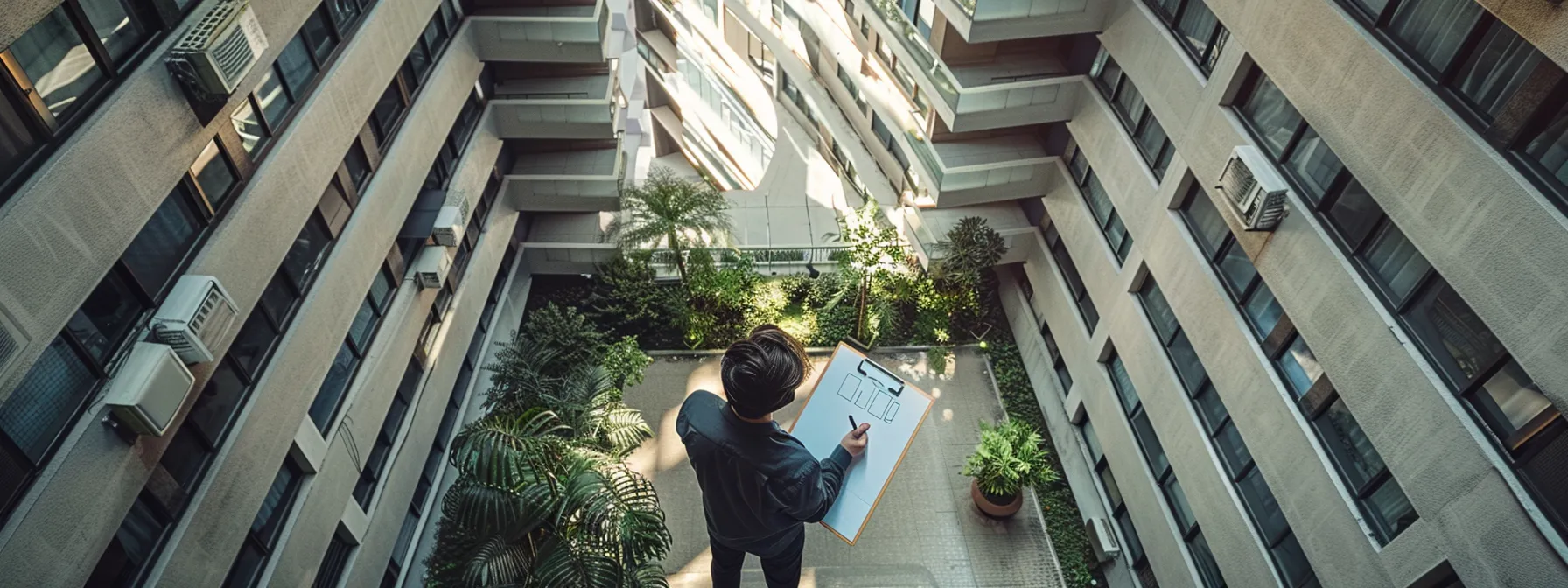
As I prepare for condo recertification, I prioritize conducting a pre-inspection self-assessment that sets the groundwork for success. Creating a comprehensive checklist based on the recertification criteria helps me stay organized and focused, allowing for a systematic approach during our inspections. I also find it valuable to conduct a thorough review of our condo facilities, ensuring that all common areas and amenities meet necessary standards. Documenting existing conditions with photos and notes offers not only a visual record but also helps identify any potential risks that need addressing. This level of detail is essential as we navigate the recertification process in New York City, ensuring we remain compliant with lease requirements and neighborhood regulations.
Creating a Checklist Based on Recertification Criteria
Creating a checklist based on recertification criteria is vital for ensuring thorough preparation for the milestone inspection. As an owner, I emphasize the importance of organizing tasks related to building safety and compliance with homeowner association regulations. This detailed approach not only boosts my knowledge of the requirements but also supports clear communication with all stakeholders involved.
- Identify key safety requirements as per local regulations.
- Document necessary inspections and repairs needed.
- Assign responsibilities to team members for specific tasks.
- Review homeowner association guidelines for any updates.
- Prepare for follow-up actions based on inspection outcomes.
Conducting a Thorough Review of Condo Facilities
In my approach to condo recertification, I prioritize a meticulous review of all facilities to ensure they align with current construction standards. I focus on checking for any signs of corrosion, particularly in areas that might compromise structural integrity, as even small issues can lead to significant costs down the line. Additionally, I assess the lighting in common areas, considering not only aesthetics but also safety for residents, which can influence the overall interest rate for potential buyers looking to make their down payment on a unit.
Documenting Existing Conditions With Photos and Notes
In my preparation for condo recertification, documenting existing conditions with photos and notes is a practice that I prioritize. This record serves as vital evidence to demonstrate compliance with building code requirements, providing clarity in case any discrepancies arise regarding policy adherence. By maintaining thorough documentation, I create a valuable reference for the board certification process and can effectively address potential issues related to tax waivers if they come up in our discussions.
As you wrap up your self-assessment, you may uncover areas that need expert attention. It’s time to bring in professionals who can ensure your building’s structural integrity and electrical systems are up to code.
Hiring Professionals for Structural and Electrical Inspections
As I prepare for the recertification of our condo, I understand the critical importance of hiring professionals for structural and electrical inspections. Choosing qualified inspectors with specific experience in condo environments allows me to ensure that the assessments are both thorough and compliant with current laws. I prioritize coordinating inspection schedules effectively, which minimizes disruption while allowing for a complete evaluation of the property. After the inspections are completed, I meticulously review the reports for both major and minor issues, addressing potential problems like leaks that could affect our lease renewal or violate rent regulation. This proactive approach not only protects the interests of the residents but also keeps the board of directors informed and aligned with our compliance strategies.
Selecting Qualified Inspectors With Condo Experience
When selecting qualified inspectors with condo experience, I prioritize those who understand the unique demands of our buildings, particularly concerning safety. Engaging a structural engineer knowledgeable about roofing systems and common vulnerabilities adds immense value to our evaluations. Furthermore, I ensure that all inspection reports are supported by a digital signature, as this not only legitimizes the findings but also provides assurance to landlords and residents alike that we are committed to maintaining and improving our property standards.
Coordinating Inspection Schedules
Coordinating inspection schedules is a critical aspect of our preparation process for recertification. I ensure that the timing of structural and electrical assessments aligns with our overall property management timeline to minimize disruption for residents in the condominium. By meticulously organizing these schedules, I can avoid any potential complaints that might arise from interruptions and facilitate a smooth transition through the inspection phase, all while ensuring we meet compliance standards set forth by the court.
Reviewing Inspection Reports for Major and Minor Issues
After the inspections are complete, I take the time to carefully review the reports, focusing particularly on both major and minor issues that may arise. Utilizing thermography techniques can uncover hidden faults, especially in the concrete structures we often see in South Florida. Addressing these concerns not only helps us maintain our property’s value but also ensures we can secure the necessary certificate of occupancy and meet home insurance requirements efficiently.
Once the inspections are complete, it’s time to take action on any issues that have surfaced. Addressing these identified deficiencies is crucial in ensuring your property‘s safety and longevity.
Addressing Identified Deficiencies
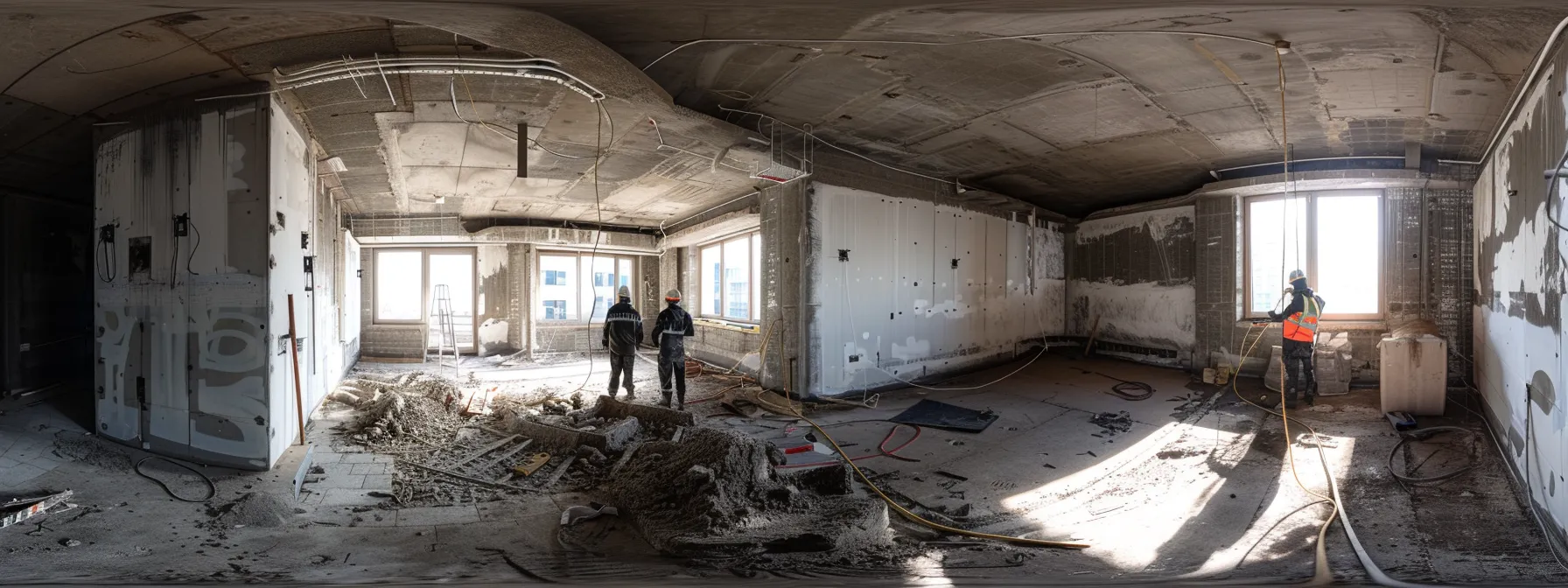
As I delve into the process of addressing identified deficiencies, I focus on prioritizing repairs that enhance the safety and compliance of our cooperative living spaces. Each repair holds significance, as they contribute to creating a secure environment for residents and ensuring our homes align with current regulations. I understand the importance of hiring licensed contractors for any necessary work to maintain the integrity of our project and uphold agreements within our community. Following these repairs, I emphasize the critical nature of re-inspection to verify that all previously cited deficiencies are cleared. This milestone not only reaffirms our commitment to quality but also plays a vital role in the renewal lease process, ensuring that residents can enjoy their homes with peace of mind.
Prioritizing Repairs Based on Safety and Compliance
In prioritizing repairs based on safety and compliance, I carefully evaluate the issues that could pose risks to our residents, ensuring we address the most critical problems first. By maintaining a focus on reasonable accommodations, we promote an inclusive environment where all community members can enjoy their living conditions without unnecessary barriers. Moreover, I keep communication transparent with our customer contact center, ensuring residents are informed about any adjustments to occupancy requirements resulting from our repair efforts.
- Identify critical safety issues affecting residents.
- Assess reasonable accommodation needs for individuals.
- Coordinate with the customer contact center for effective communication.
- Ensure repairs align with occupancy standards and guidelines.
- Facilitate a clear timeline for addressing all identified deficiencies.
Hiring Licensed Contractors for Necessary Work
When addressing necessary repairs, hiring licensed contractors is non-negotiable. I prioritize working with professionals who not only have the requisite qualifications but also understand the specific nuances of condo environments. Their expertise ensures that the work meets regulatory standards, enhancing the safety and compliance of our community.
- Identify specific repairs needed based on inspection findings.
- Research and vet potential licensed contractors for qualifications.
- Verify that contractors have experience in condo-related work.
- Discuss project timelines and compliance requirements.
- Maintain clear communication throughout the project to ensure expectations are met.
Re-Inspection and Clearance of Previously Cited Deficiencies
After addressing the identified deficiencies, I prioritize re-inspections to confirm that all required repairs have been completed effectively. This process not only ensures compliance with local regulations but also reinforces our commitment to the safety of our residents. Clear documentation of these re-inspections plays a vital role in demonstrating our dedication to maintaining the property‘s standards:
- Schedule re-inspections promptly after repairs are completed.
- Ensure that all previously cited issues are evaluated thoroughly.
- Document findings and clear any outstanding deficiencies.
- Communicate with residents about the outcome of inspections.
- Maintain records for future reference and compliance verification.
After tackling the identified deficiencies, your focus must shift to the critical task of maintaining accurate documentation. This step not only reinforces compliance but also lays the groundwork for a smooth recertification process.
Maintaining Proper Documentation for Recertification
To effectively navigate the recertification process, I place significant emphasis on maintaining proper documentation. Organizing repair and maintenance records is a fundamental step, as it provides a clear timeline of completed work and supports our commitment to safety. Compiling detailed inspection reports and securing official sign-offs from qualified professionals further fortifies our compliance efforts. I also ensure that all documents are easily accessible, streamlining the submission process and facilitating a smoother recertification journey. This organized approach not only demonstrates our adherence to regulations but also reflects our dedication to the well-being of our community.
Organizing Repair and Maintenance Records
In my experience, keeping detailed repair and maintenance records is vital for smooth condo recertification. By categorizing these documents based on specific repairs and maintenance schedules, I ensure that I can easily access information during audits or inspections. This organized approach not only reflects our diligence but also provides tangible proof of our commitment to maintaining property standards.
To better illustrate my method of organization, I focus on the following key practices:
- Utilize digital tools for tracking repairs and maintenance.
- Establish a consistent naming convention for documents.
- Segment records by year and type of maintenance performed.
- Schedule regular reviews of the documentation for updates.
- Secure all records in a cloud system for easy access and sharing.
Compiling Inspection Reports and Official Sign-Offs
Compiling inspection reports and obtaining official sign-offs are steps I treat with utmost seriousness in the recertification process. I ensure all reports are clear, comprehensive, and reflect the findings accurately, making it easier for stakeholders to understand our compliance status. By securing signatures from licensed inspectors, I establish credible documentation that showcases our commitment to maintaining high standards in our community.
Ensuring Accessibility of Documents for Recertification Submission
To facilitate a smooth recertification process, I prioritize the organization and centralized storage of all relevant documents. I usually set up a dedicated folder on a secure cloud platform, which allows for easy access and sharing among team members involved in the submission process. By ensuring that documents are organized and readily available, I can minimize delays and streamline communication with all parties involved.
With your documentation in order, you’re ready to take the next big step. Let’s dive into the ins and outs of the recertification submission process.
Navigating the Recertification Submission Process

As I get into the nuances of the recertification submission process, understanding the intricacies of deadlines and associated fees proves essential. Being aware of timelines helps avoid unnecessary delays that could jeopardize our compliance status. I focus on meticulously preparing the recertification packet, ensuring that it contains all necessary documents and manifests our thoroughness in maintaining standards. Once submitted, I emphasize the importance of following up to address any potential concerns or questions that may arise, fostering clear communication with all involved parties. This proactive approach not only streamlines the process but also reinforces our commitment to upholding the high standards our community expects.
Understanding Submission Deadlines and Fees
Understanding submission deadlines and associated fees has been a vital aspect of my preparation efforts for condo recertification. Each jurisdiction often has its own timeline, and I’ve learned that keeping track of these dates is imperative to avoid penalties or issues with compliance. I make it a priority to budget for any fees and to schedule submissions well in advance to facilitate a smooth process.
- Stay informed about local deadlines related to recertification.
- Allocate a budget for any necessary fees associated with the process.
- Create a calendar or tracking system to monitor submission dates.
- Prepare submission materials ahead of time to ensure completeness.
- Follow up on submissions to address any questions or concerns promptly.
Preparing the Recertification Packet for Submission
As I organize the recertification packet for submission, I focus on ensuring that every document is meticulously compiled and easily accessible. I include all necessary paperwork, such as inspection reports, compliance certificates, and any correspondence relevant to our property’s status. This attention to detail not only showcases our commitment to the process but also helps streamline any questions or clarifications that may arise during the review.
Following Up on Submission and Addressing Any Concerns
After submitting the recertification packet, I prioritize following up to ensure everything is on track. I reach out to the relevant authorities to clarify any questions and to resolve any issues that could affect our compliance status. This proactive communication not only reinforces our commitment but also keeps stakeholders informed and engaged throughout the process:
- Initiate follow-up communications with review authorities.
- Address any clarifications that may arise promptly.
- Ensure stakeholders are updated on submission status.
Conclusion
Successful condo recertification hinges on thorough preparation and a clear understanding of requirements. By regularly reviewing local codes, identifying key inspection areas, and documenting existing conditions, I can ensure compliance and safety for residents. Establishing a timeline and addressing deficiencies proactively ultimately safeguards our property’s value. These essential steps not only facilitate a smoother recertification process but also foster a secure and inclusive living environment for our community.